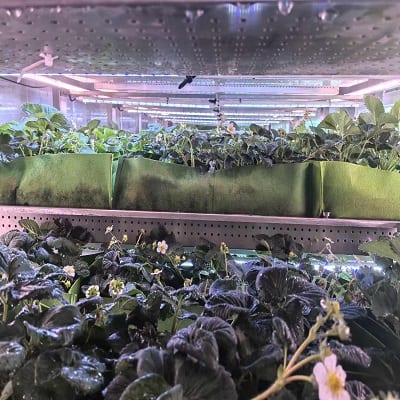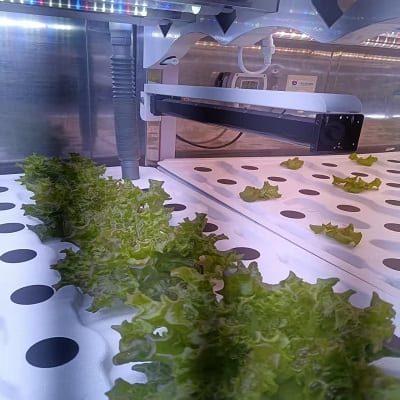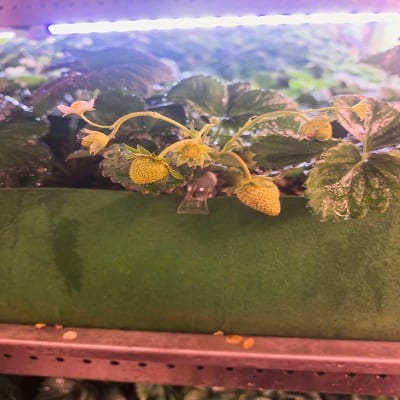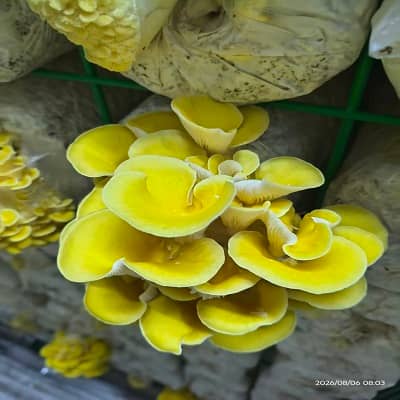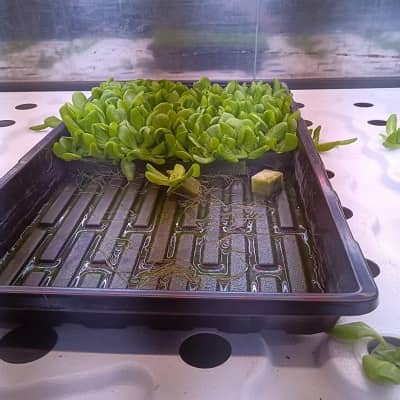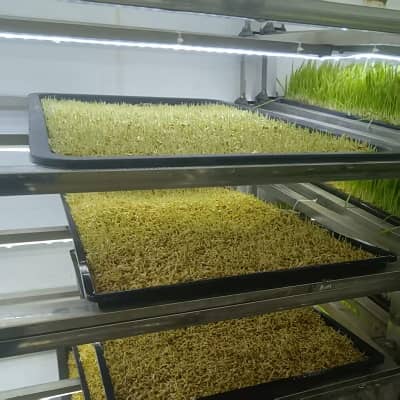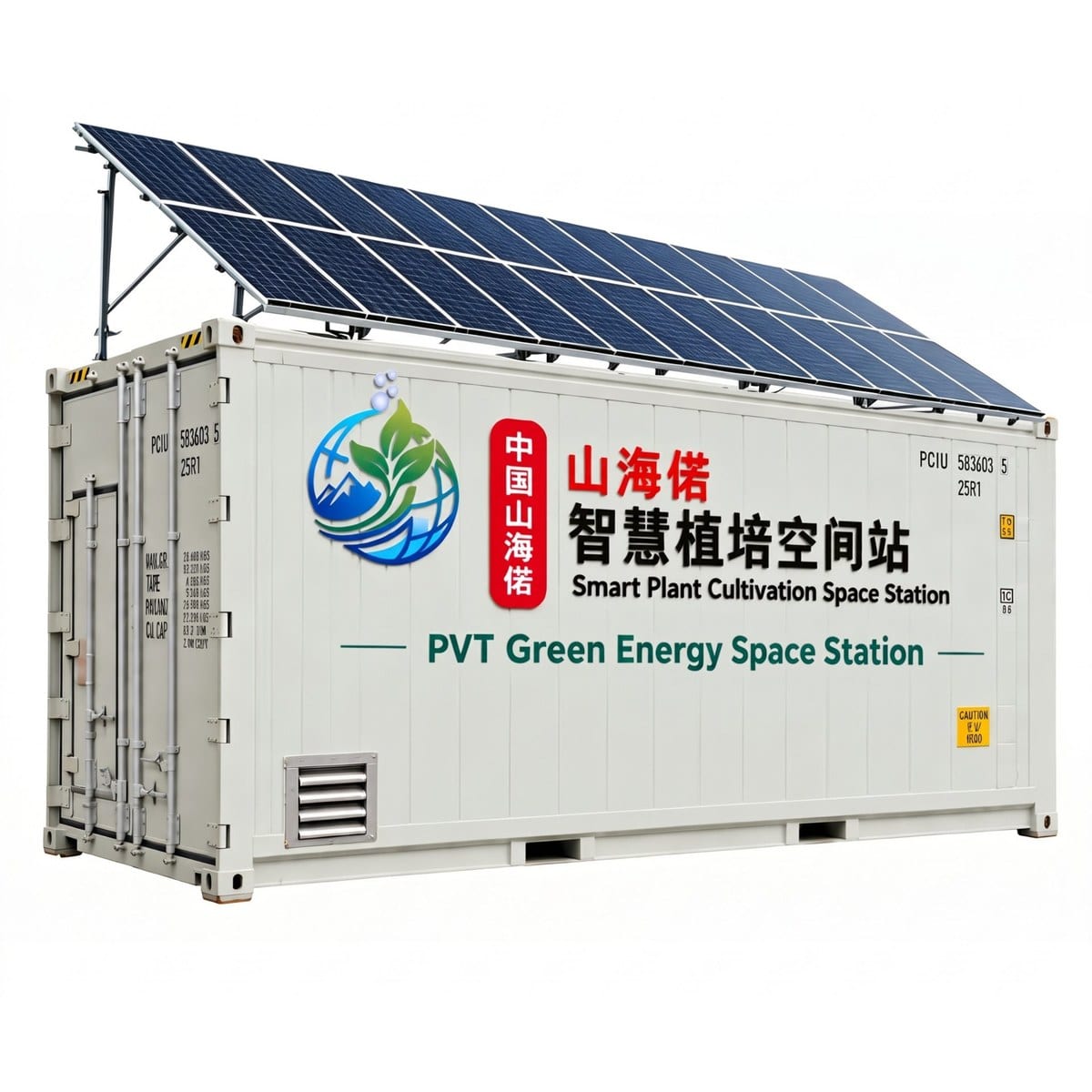
Fruit and vegetable growing is delivered on the mobile smart fruit & vegetable container, which builds an intelligent artificial climate inside a sealed cabin for continuous multi-cycle production of leafy greens and fruiting vegetables all year round. Units can be deployed flexibly on city outskirts, in parks or in remote areas — local supply, water-saving and land-saving.
Industry Pain Points
The fruit and vegetable growing industry widely faces difficulties such as climate control, insufficient production standardization, high labour dependence and low resource-use efficiency. Traditional growing is strongly affected by natural conditions and management experience, making stable production, consistent quality and efficient operation hard to sustain. The main pain points are as follows:
1. Difficult climate control — unstable yield and quality
Crops have different requirements for temperature, humidity, light, water and nutrients, and key stages such as raising seedlings, flowering and fruit set are especially sensitive to change. Conventional structures offer limited control; swings in temperature and humidity, insufficient light or unbalanced water and fertilizer hurt plant growth, fruit set and fruit quality — precise, stable growing conditions are urgently needed.
2. Coarse seedling management, uneven seedling quality
Nursery stages demand tight control of climate and operations; unsuitable temperature, humidity, light or irrigation easily causes uneven emergence, leggy growth or weak seedlings. Traditional nurseries rely on personal experience and can hardly fine-tune per variety, so seedling uniformity and vigour fluctuate, hurting transplant survival and later performance.
3. Experience-dependent production, hard to standardize
Different crops and stages have very different management requirements; fertilizer ratios, lighting and climate control often rely on technician experience. Production records are incomplete and anomalies hard to trace, and proven protocols are difficult to accumulate and replicate — making entry, cross-region growing and scale-up harder.
4. Hard pest and disease control, heavy process management
Conventional structures are weak in insect isolation, personnel control and tool disinfection, and high humidity or poor ventilation raises disease risk. Pest and disease monitoring relies mainly on manual patrols and early risks are easily missed — demanding better zoning, environmental monitoring and prevention capability.
5. Heavy manual input, low daily efficiency
Inspection, irrigation, fertilization and climate adjustment are frequent in fruit and vegetable growing, and manual work is easily late or uneven. With labour costs rising and skilled workers scarce, traditional management faces heavy attendance pressure and a limited span of control — automatic control, remote management and alerts are needed.
6. Coarse water, fertilizer and energy management, hard-to-control costs
Irrigation and fertilization lack a precise basis, so supply often mismatches crop demand, wasting resources or hurting root health. Heating, supplemental lighting and ventilation require continuous input, and uncoordinated equipment adds ineffective energy use. Water, energy and yield data are disconnected, so production cost is hard to account for.
7. Long facility build cycles, little trial or expansion flexibility
Conventional protected growing involves site works, equipment installation and utilities, with high upfront investment and long build and commissioning periods. Fixed facilities cannot flex with production needs, and smaller operators face high entry costs and large trial-and-error costs in new-variety trials, small batches and staged expansion.
8. Season and weather constraints, weak continuous supply
Heat waves, cold snaps, storms and overcast spells disrupt crop rhythm, delaying seedlings, hurting flowering and fruit set or shifting harvest windows. Seasonal gluts add sales pressure, and it is hard to plan production to orders, stagger marketings and keep supply stable.
Cultivation & Climate Control Points
- Vertical growing: multi-layer racks make full use of the cabin’s vertical space and raise per-area output significantly; layer height and rack spacing can be adjusted by crop.
- Precision supplemental lighting: full-spectrum lighting simulates natural light; intensity and photoperiod are set automatically by growth stage to secure photosynthesis and consistent quality.
- Water & fertilizer circulation: nutrient solution is mixed and circulated automatically by formula, with misting and water-recycling control — saving water and avoiding soil-borne disease and replant problems.
- Cloud-based climate control: cloud computing automatically regulates temperature, humidity, light, CO2 and water & fertilizer across the whole growth cycle, minimizing natural constraints.
- Industry value: mobile fresh-keeping containers drive integrated development of primary processing, origin distribution and cold-chain logistics — cutting losses, extending the sales window and enabling off-season selling to raise returns and support rural revitalization.