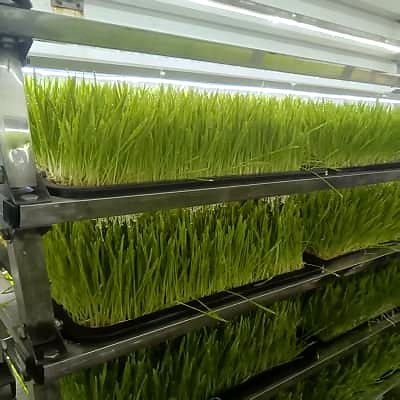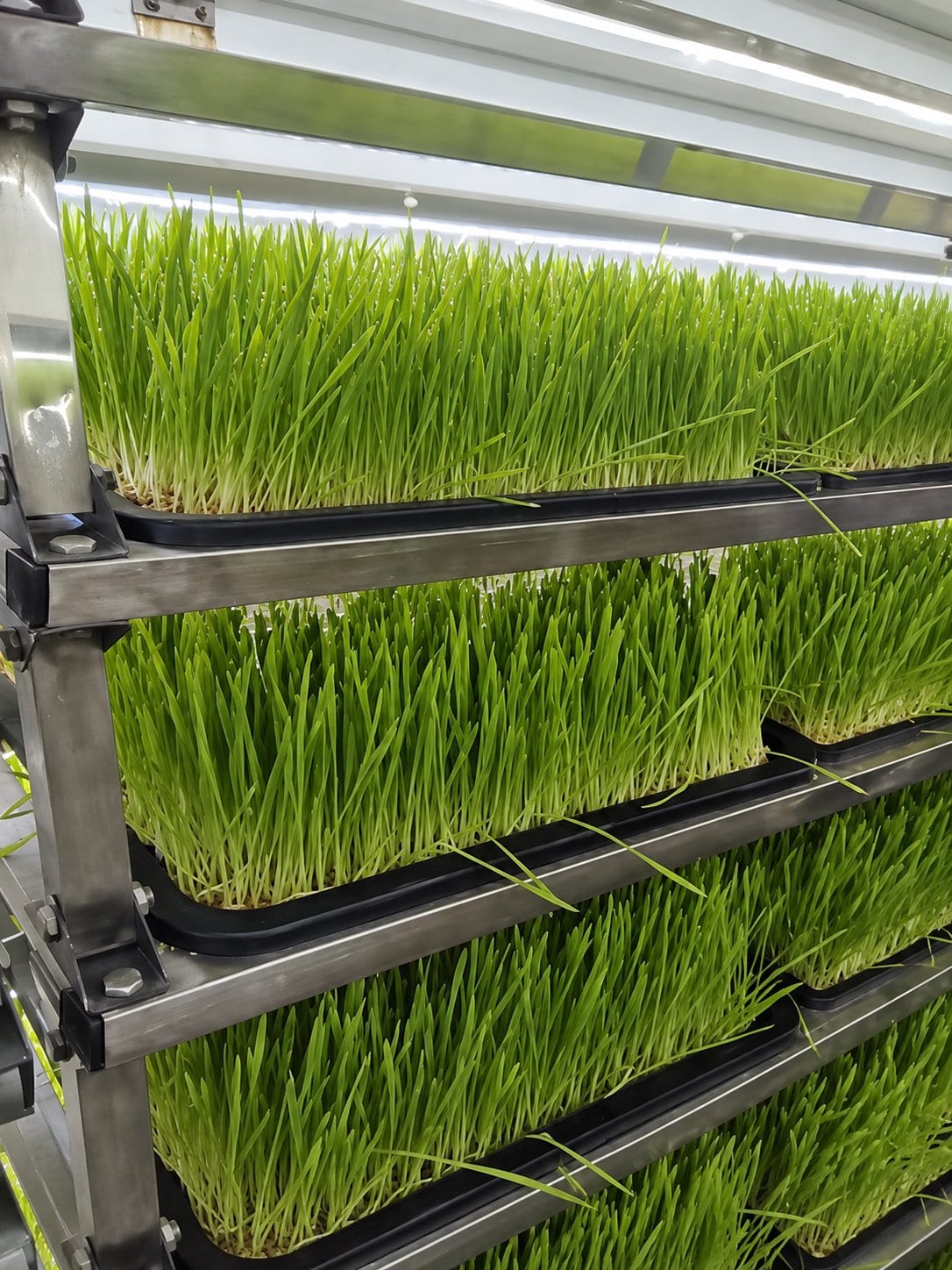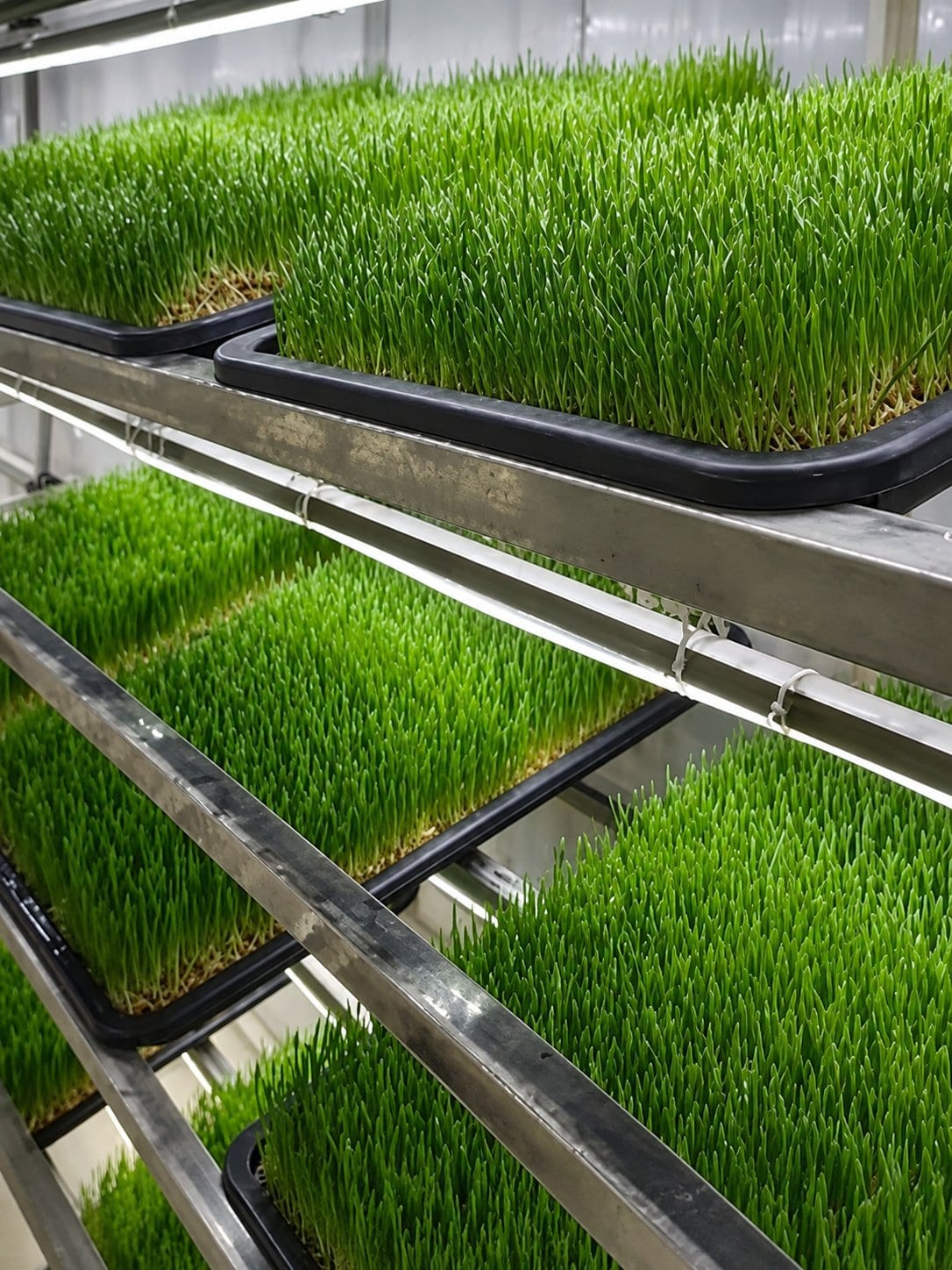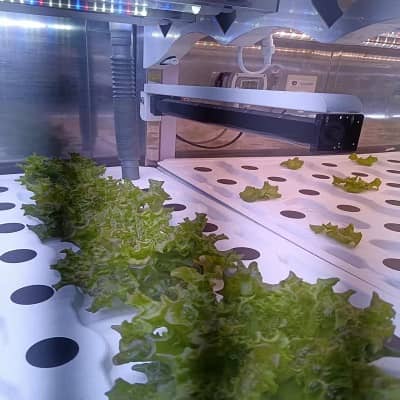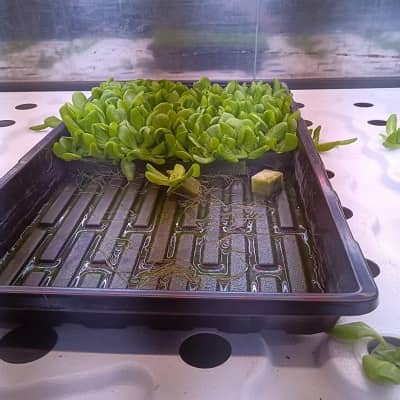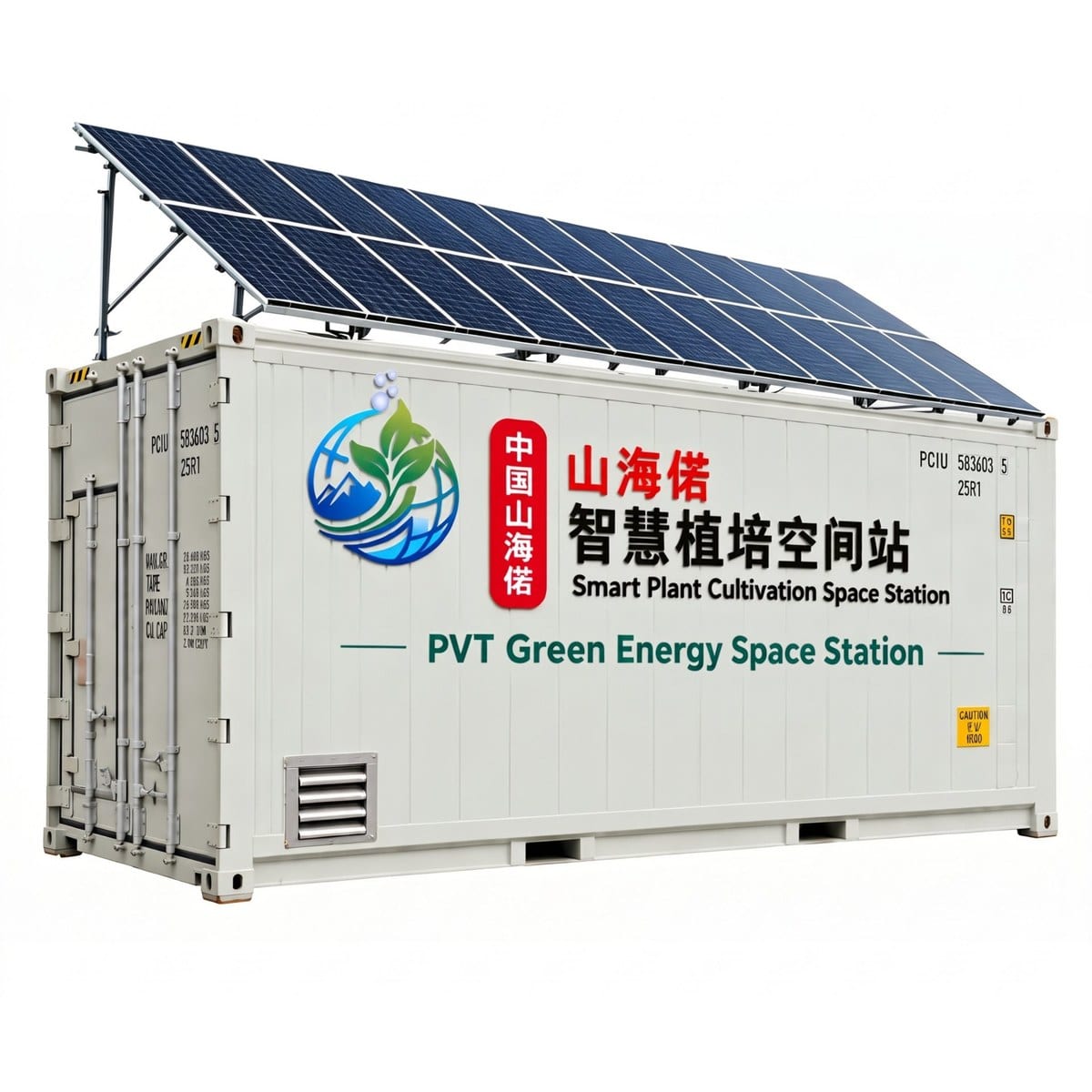
Forage growing is delivered on the mobile smart forage cultivation station — a high-tech production system with precision equipment that integrates biotechnology, indoor climate control, protected agriculture and computing to create an intelligent environment where forage grass thrives.
Industry Pain Points
The forage industry widely faces difficulties such as strong natural constraints, unstable yield and quality, low water & fertilizer efficiency and insufficient continuous supply. Traditional growing depends on season, land and management level, making it hard to meet the livestock sector’s demand for quality, stable fodder. The main pain points are as follows:
1. Difficult climate control — unstable production
Forage has set requirements for temperature, light and water, differing by species and growth stage. Open-field growing can hardly regulate the environment; cold, drought or sustained heat slows growth, causes uneven emergence and cuts yield — a more stable, controllable growing environment is needed.
2. Strong seasonality — continuous supply falls short
Forage growth and harvest are highly seasonal; winter or dry seasons leave fresh-grass gaps while peak seasons concentrate harvests, stressing storage and allocation. Supply rhythm mismatches the steady demand of the livestock sector — batch growing, on-demand production and year-round supply are required.
3. Tight land and water constraints, limited production siting
Conventional forage production needs suitable land and irrigation; expansion is hard where land is scarce, water is short or the livestock farm is far away. The mismatch between production sites and demand also complicates local supply and flexible siting.
4. Variable forage quality, inconsistent feedstock
Species, environment, water & fertilizer management and harvest timing all affect nutrition, fibre content and palatability. Quality varies across plots and batches in conventional production, complicating ration formulation and feeding management — standardized, traceable production is needed.
5. Coarse water & fertilizer management, imprecise input
Irrigation and fertilization rely largely on experience without continuous monitoring of the crop and environment — under-watering, over-irrigation or uneven fertilization occur easily. Input-output data are not linked, hurting growth while wasting resources and complicating cost control.
6. Mould and disease risks found late, high hygiene demands
Under high humidity, poor ventilation or poor seed and water hygiene, forage growing can suffer mould and disease. In dense nursery and sprout-fodder production especially, a local problem can affect the whole batch — seed selection, disinfection, ventilation, humidity control and early warning are essential.
7. Many manual steps, hard to standardize
Sowing, irrigation, crop patrol, harvest and cleaning all need continuous labour. In small, scattered operations, standards vary and records are incomplete; proven protocols are hard to replicate, limiting centralized management and scaled-up operation.
8. Fresh grass hard to store and transport — weak local supply
Fresh forage has high water content and bulk and must be fed or stored promptly; transport distance and turnaround raise supply cost and hurt quality. When growing and livestock sites are far apart, transport, handling and losses grow — production close to the herd, flexibly deployed, is needed.
Cultivation & Climate Control Points
- Year-round continuous production: precision lighting, automatic misting and water-recycling control enable efficient, continuous forage production all year round.
- Cloud-based climate control: cloud computing automatically regulates temperature, humidity, light, CO2 and water & fertilizer across the whole cycle — growth is almost free of natural constraints.
- Saves land and water: the system saves arable land and water and yields clean, safe forage; operation is simple and highly standardized.
- Clean, ready to feed: harvested forage is clean and the whole plant can be fed, cutting downstream processing steps.