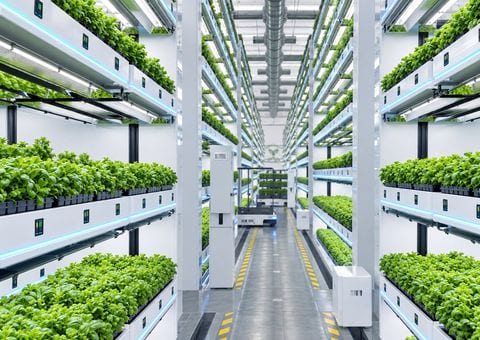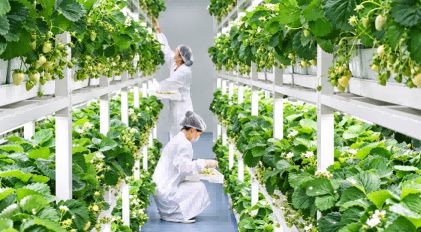
On June 26, 2026, Shenzhen News reported on urban micro-agriculture practice by Shenzhen companies. A school programme that combines space agriculture classrooms, rooftop growing bases and artificial intelligence management illustrates how smart cultivation equipment can be applied in labour education, scientific inquiry and space science outreach.
According to the report, the companies involved explore cultivation in urban space through plant factory seedling production, rooftop growing and intelligent management. In the school setting, the programme links an indoor inquiry space with outdoor practical growing areas, allowing students to learn about plant growth through sowing, observation, management and harvesting, and to encounter artificial intelligence, big data and modern agriculture.
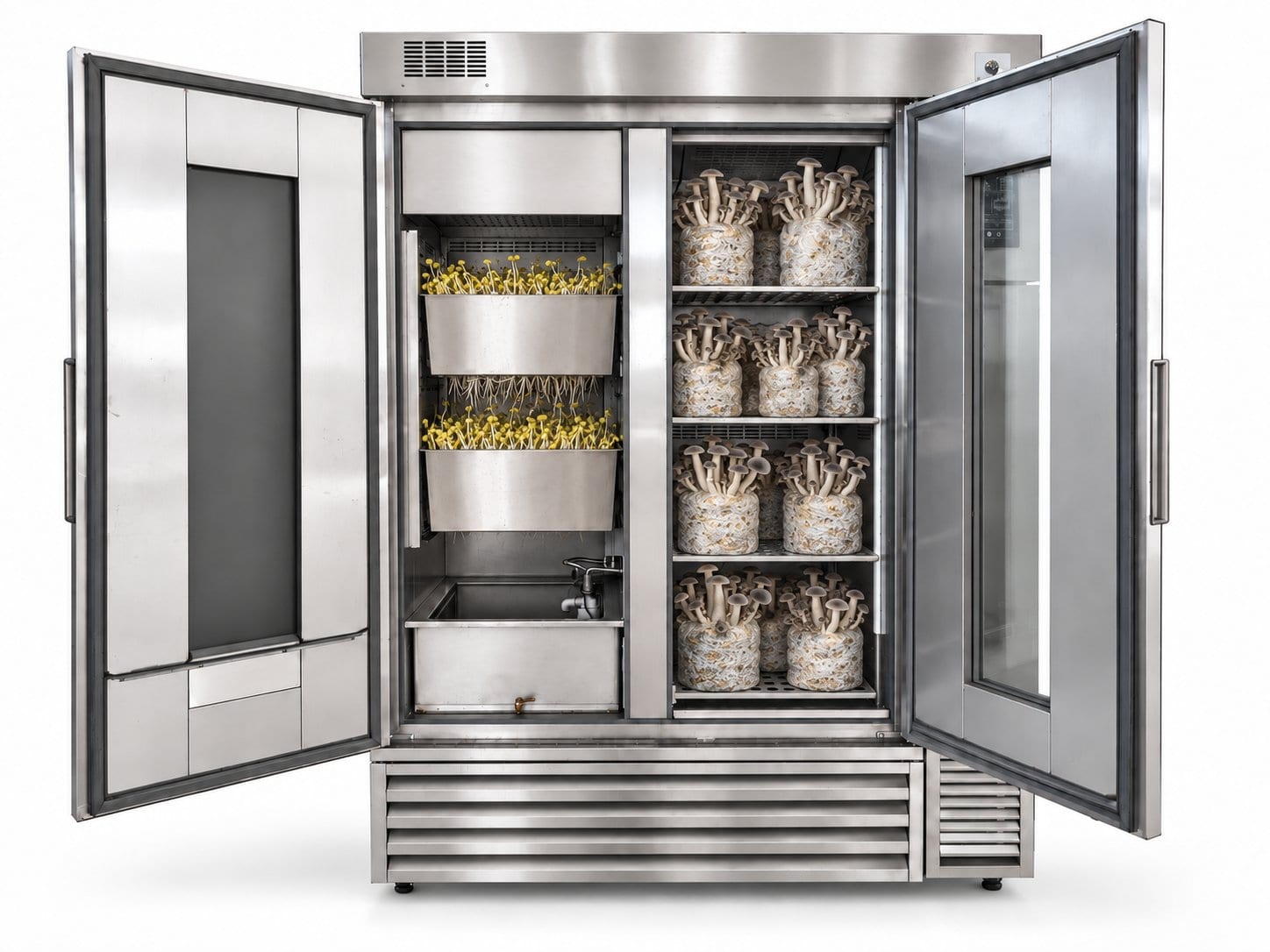
Bringing smart cultivation equipment into schools makes plant observation more direct. Factors such as temperature, humidity, light and nutrient solution, which are otherwise difficult to grasp, can be presented through sensors and data interfaces. Students can observe visible changes in plants and relate them to environmental records, turning routine growing activities into a continuous inquiry process.
In curriculum design, such spaces can host a range of learning tasks — recording germination times, comparing plant performance under different light conditions, or discussing resource use with reference to water consumption records. Specific experiments need to be arranged according to student age, equipment conditions and teaching objectives, with well-designed variables and recording methods to improve the interpretability of observations.
The space science theme offers a more engaging entry point for cultivation education. Plant growth in confined spaces, environmental regulation and resource recycling can help students understand the connection between modern agriculture and life support in space. In communication, ground-based simulation, space science outreach, space breeding and actual in-orbit plant cultivation should be clearly distinguished so that scientific concepts remain accurate.
For schools, the long-term value of such a project lies not only in the display effect at commissioning but in whether it can be used continuously afterwards. Plants grow continuously, so course schedules need to align with crop cycles, and daily inspection, watering, cleaning, consumable replacement and holiday management must be clearly assigned. Only when teaching and maintenance work together can the growing space function reliably.
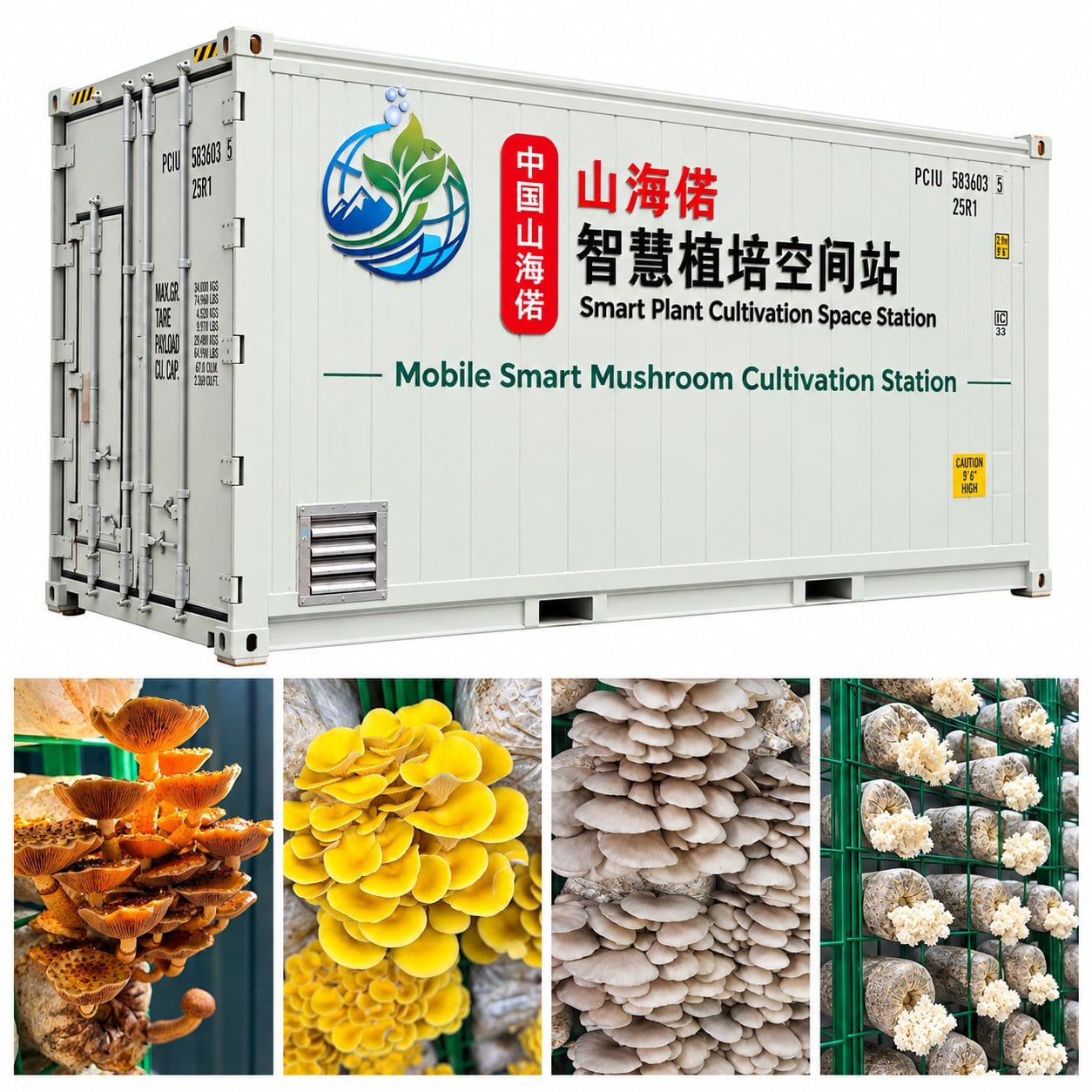
This application also offers a reference for smart cultivation station product development. A school-oriented solution needs to consider ease of operation, observation experience, curriculum fit and maintenance support together. Clear data presentation, processes suitable for student participation and teaching resources that can be updated over time help raise the actual frequency of use and the educational value of the space.
As the practice reported here shows, smart cultivation is becoming a vehicle connecting practical work with science education. Organising learning around real plants, real data and real problems can provide richer inquiry experiences for schools and open new application space for urban micro-agriculture.
Source: Shenzhen News, “Shenzhen agricultural team builds a sky farm of the future, with AI managing rooftop rice and vegetable plots”