On August 11, 2026, Hangzhou Net reported on Siwei Ecology's practice of using artificial intelligence to assist strawberry cultivation in a plant factory. The work focuses on environmental factors including light, temperature, humidity, CO2 concentration and nutrient solution ratios, and continuously optimises growing conditions through data analysis and cultivation trials.
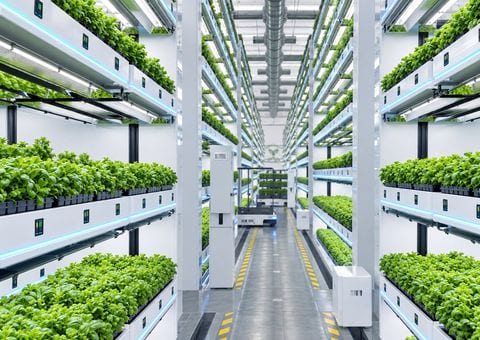
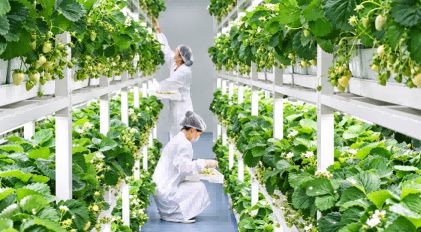
According to the report, the plant factory in Fuyang, Hangzhou, uses a multi-tier vertical cultivation structure to grow strawberries in a controlled environment. Through preliminary trials and data collection, the company uses artificial intelligence to help screen combinations of environmental parameters and then validates the recommended settings. The process reflects a technical route that combines data analysis with actual cultivation.
Plant growth is affected by many factors at once. In an artificial-light environment, for example, light intensity, spectral composition and photoperiod can all influence plant performance, while temperature, humidity, airflow and nutrient solution conditions interact with lighting. Adjusting parameters one by one often makes it difficult to understand these relationships fully, and can increase trial time and management cost.
The potential value of artificial intelligence here is to help researchers and managers identify patterns in existing data and narrow the range of options that need to be tested. Its output still has to be verified in actual cultivation and corrected according to performance at different growth stages. The practice reported also emphasises the validation step that follows a recommendation.
For plant factories, data accumulation needs continuity and consistency. Beyond environmental parameters, crop performance should be understood alongside variety, transplanting date, growth stage, management operations and harvest results. Without the necessary context, even a large volume of records may not support reliable comparison. Standardised recording and consistent evaluation methods are therefore an important basis for precision management.
Cultivation protocols also need to be assessed against multiple objectives. Growers care about yield as well as quality, batch stability, energy consumption and management input. A parameter adjustment may improve a single indicator while adding cost elsewhere. A suitable protocol should therefore be judged against the actual application goal and observed over several growing cycles.
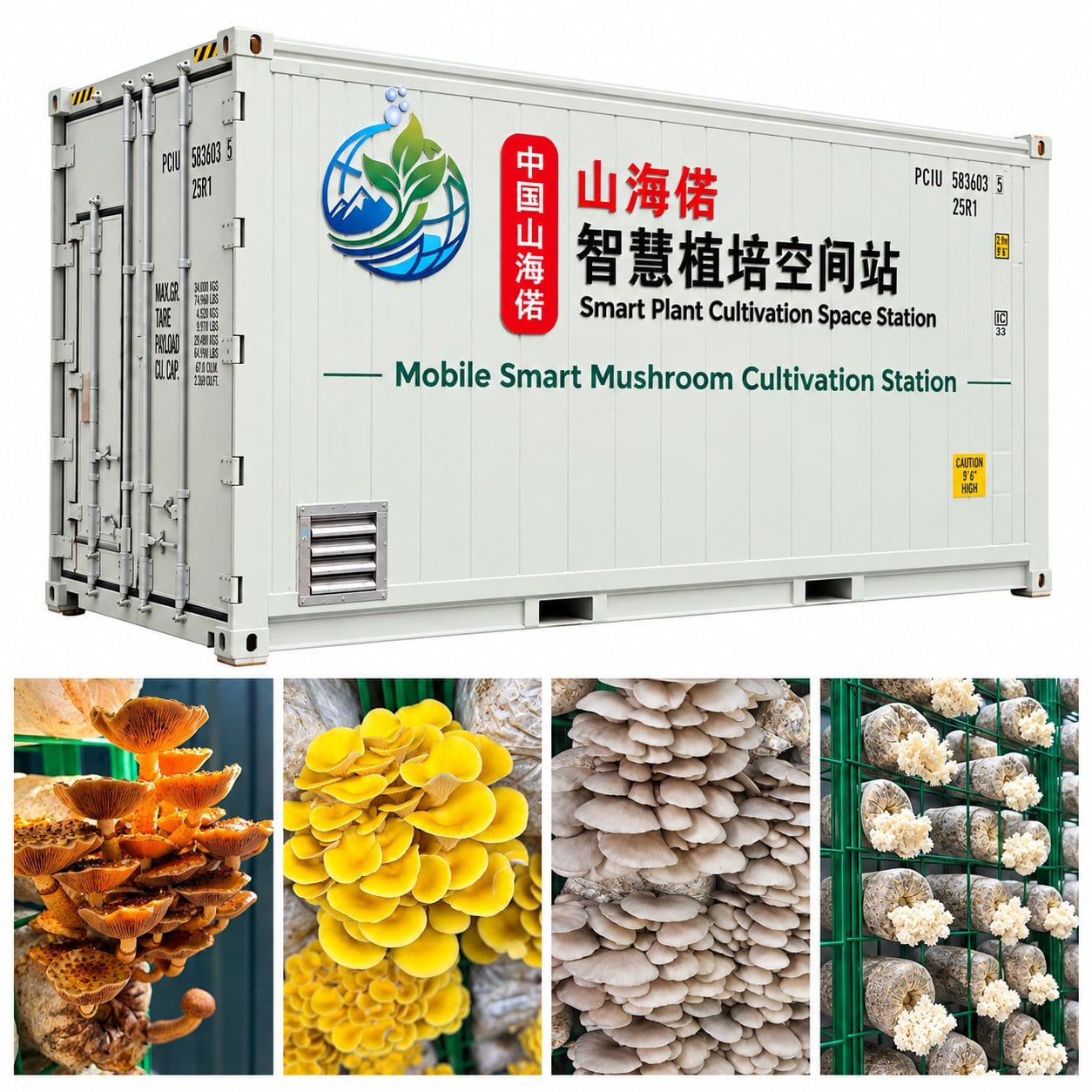
This practice is instructive for smart cultivation stations. Building on real-time environmental display, equipment can gradually add growth records, operation logs and cycle reviews to help users understand how plants change from transplanting to harvest. In teaching and outreach settings, continuous data can also become material for observation, comparison and discussion, deepening participation in growing activities.
As intelligent control technology is applied more widely, long-term accumulation of crop data and cultivation experience will receive greater attention. The Hangzhou case illustrates one way of exploring AI-assisted precision cultivation, and shows that continuous improvement of smart cultivation systems requires algorithms, equipment, agronomy and practical validation to work together.
Source: Hangzhou Net, “From Middle East deserts to North American ice fields: Hangzhou’s ‘AI plant factory’ sketches the future of agriculture”